Touchscreen Advances Revolutionizing Instant Wager Edits in Premier League Contests and Flat Racing Cards
Written by Paul Becker · Jul 25, 2026
Touchscreen Advances Revolutionizing Instant Wager Edits in Premier League Contests and Flat Racing Cards
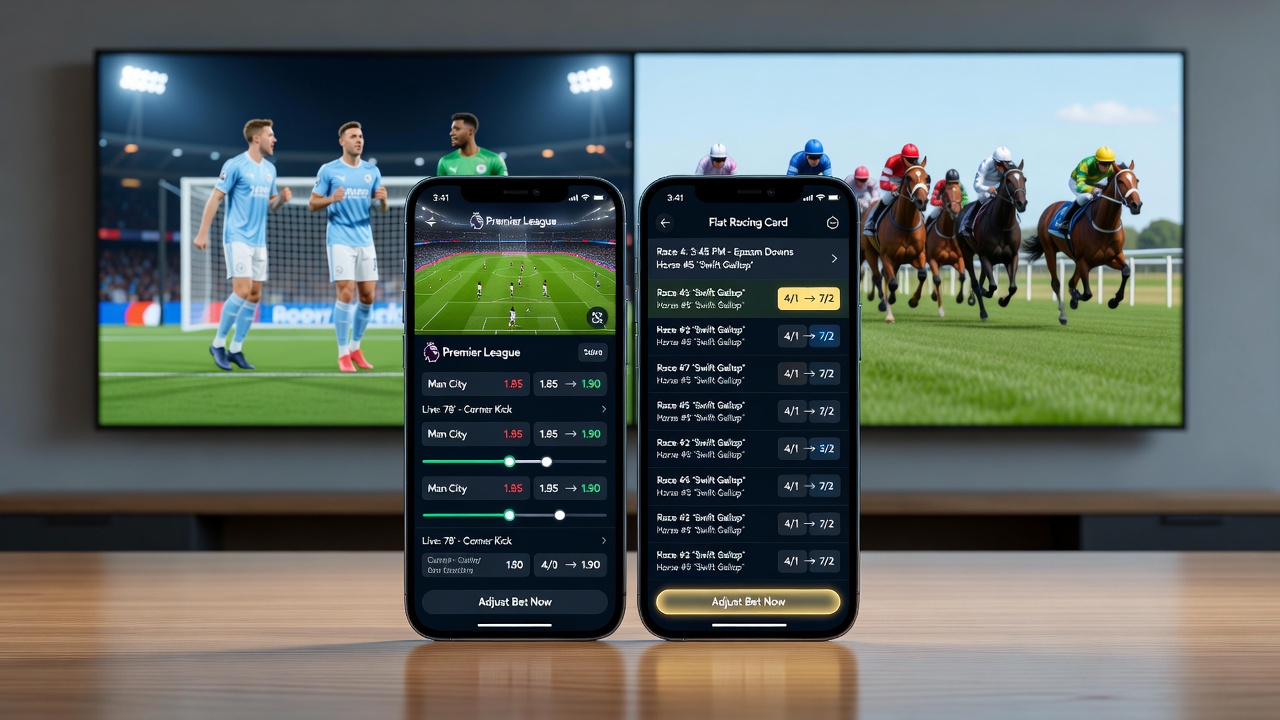
Smartphone interfaces have introduced new ways for users to modify wagers while Premier League fixtures unfold and flat racing cards proceed at various tracks, and these developments trace back to improvements in app architecture that support continuous data feeds from multiple sources. Developers integrated gesture controls and segmented displays so that bettors can alter stake amounts or switch market selections without leaving the main viewing area, and this setup became more common after 2024 when several operators updated their platforms to handle simultaneous football and racing events.
Core Features Driving Real-Time Adjustments
Live betting modules now include swipe-based sliders that let users increase or decrease stakes during a match when a goal threat builds or a horse moves in the betting ring, while split-screen views keep both the event feed and the betting ticket visible at once. According to data from the Australian Gambling Research Centre, adoption of these gesture tools rose sharply between 2024 and 2026 as networks improved latency to under 200 milliseconds. Researchers at the centre tracked user sessions across football and racing markets and noted that interface elements such as one-tap partial cash-outs and quick-stake presets reduced the average time between decision and confirmation by roughly 40 percent.
Flat racing cards benefit from similar tools because odds fluctuate rapidly once horses leave the parade ring, and apps now push position updates alongside each runner's current price so that adjustments can occur before the field turns into the home straight. In July 2026 several platforms rolled out colour-coded heat maps that highlight changing probabilities for each horse, and these visual cues connect directly to the same adjustment panel used for Premier League goal or card markets. The integration means a single account can move between a live Manchester City versus Arsenal encounter and an Ascot handicap without reloading separate sections.
Data Streams and Interface Synchronisation
Operators rely on multiple data providers that deliver ball-tracking statistics for football alongside sectional timing for horses, and the smartphone layer merges these streams into unified dashboards. When a Premier League referee issues a card the system registers the event within two seconds and surfaces new over-under markets for total bookings, while the same backend feeds updated place markets for any overlapping race meeting. Studies conducted by the National Center for Responsible Gaming in the United States examined session logs from 2025 and found that users who combined football and racing bets on one interface completed an average of 3.2 adjustments per hour compared with 1.8 on older layouts.
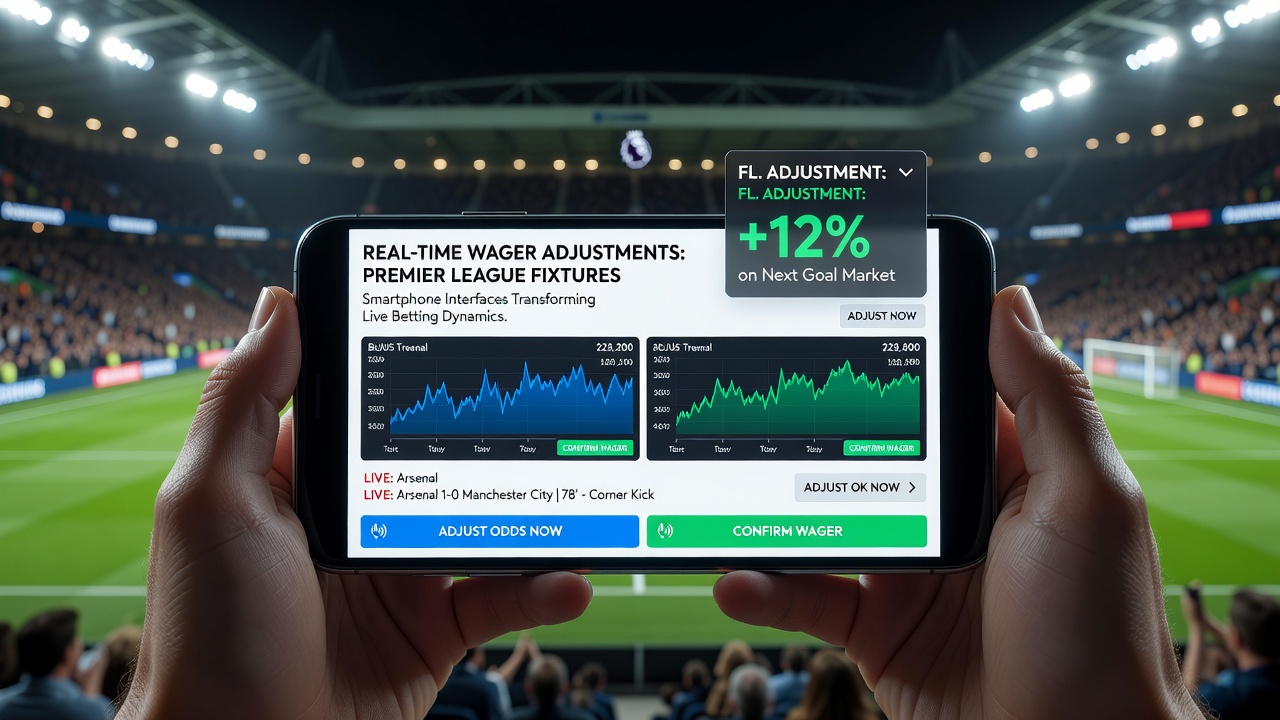
Designers added confirmation overlays that appear only when a stake change exceeds a preset threshold, and these prompts help prevent accidental submissions during fast-moving sequences. The same overlays appear for both Premier League corner markets and flat racing each-way options, so the learning curve remains consistent across event types. Observers note that the shared design language reduces errors when punters switch between sports within the same session.
Regulatory Context and Platform Updates
European regulators outside the United Kingdom have examined how these interfaces record every adjustment for audit trails, and requirements introduced in 2025 mandate timestamped logs that operators must retain for at least five years. Platforms updated their systems in early 2026 to meet those standards while keeping the visual flow uninterrupted, and the changes coincided with broader network upgrades that support higher frame rates for live video inside the betting window. Figures released by the Canadian Centre on Substance Use and Addiction indicate that markets using the updated interfaces saw a measurable increase in session length during multi-sport days, although the centre stressed that further longitudinal data would be needed to interpret behavioural patterns.
Future Interface Directions
Developers continue to test predictive overlays that suggest stake adjustments based on historical patterns for specific Premier League teams or flat racing trainers, and early trials in mid-2026 showed these suggestions appearing only after users opt in through account settings. The same trials incorporate haptic feedback on supported devices so that a goal or a photo-finish registers through vibration alongside the visual update. Those who have examined the beta versions report that the combination of haptic and visual signals allows quicker recognition of market shifts without constant screen checking.
Conclusion
Smartphone interfaces have established a technical foundation that connects live Premier League data with flat racing card information in a single adjustable workspace, and the pace of refinement shows no sign of slowing as networks and regulatory frameworks continue to evolve through 2026 and beyond. The documented growth in adjustment frequency and reduced confirmation times reflects measurable engineering progress rather than subjective preference, and ongoing studies from multiple jurisdictions will continue to track how these tools perform across different user groups and event schedules.