Timing Matched Deposit Redemptions Across Lengthy Football Leagues and Flat Racing Fixtures
Written by Frankie Vogel · Jul 9, 2026
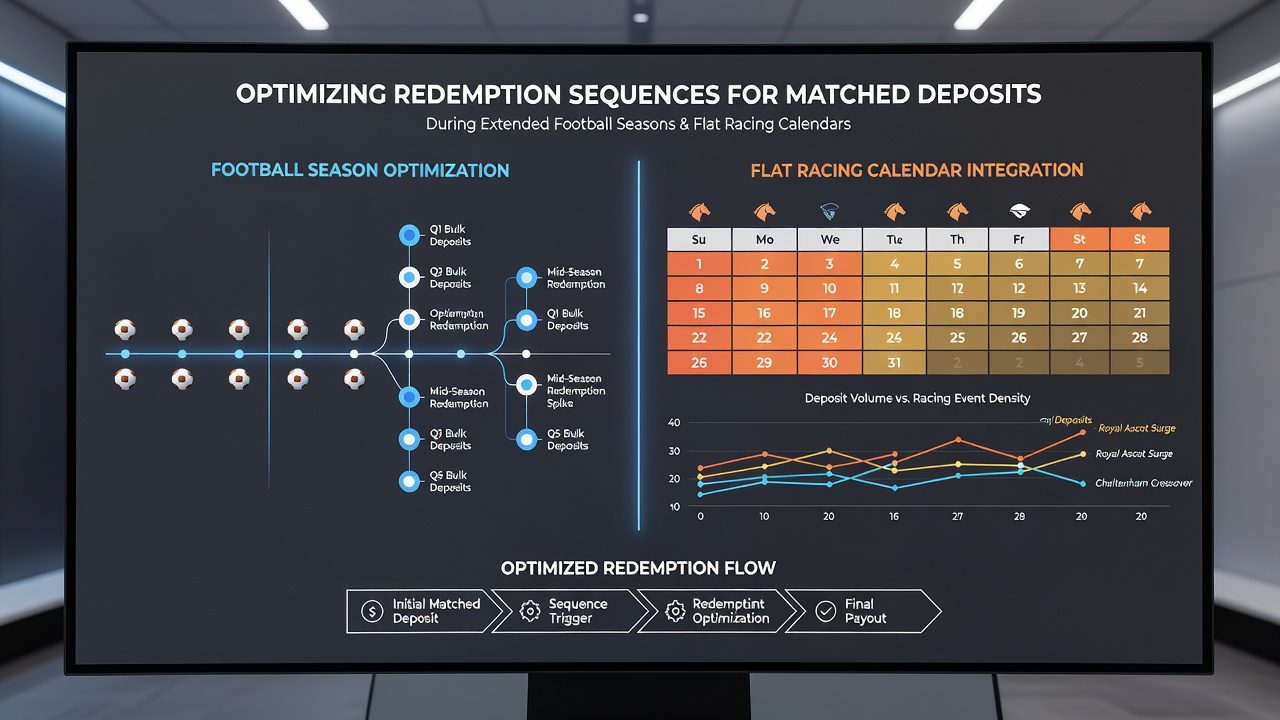
Timing Matched Deposit Redemptions Across Lengthy Football Leagues and Flat Racing Fixtures
Extended football seasons stretch from August through May with additional cup competitions pushing activity into June, while flat racing calendars run from March to November across major tracks, and these periods create distinct windows for handling matched deposit redemptions, which require specific wagering sequences before funds become withdrawable. Operators structure these offers with playthrough conditions tied to both deposit amounts and bonus values, and the length of overlapping calendars influences how sequences unfold because football matches occur multiple times per week and racing fixtures cluster on weekends and midweek evenings.
Season Lengths and Calendar Overlaps
Football leagues in Europe maintain schedules that extend beyond traditional nine-month spans when European competitions and domestic cups add fixtures, whereas flat racing in Britain and Ireland schedules over 200 meetings annually with peaks in summer months, and data from the European Gaming and Betting Association shows that combined activity rises sharply when both codes run simultaneously. Observers note that July 2026 marks a transitional point where late-season football friendlies and international tournaments coincide with mid-summer racing festivals, creating compressed periods where redemption timelines must account for both daily football markets and multi-race cards.
Those managing matched deposits during these stretches often sequence redemptions by first clearing football-related playthrough on accumulator or match-result bets before shifting focus to racing, because racing odds fluctuate with each meeting and allow smaller incremental wagers that help satisfy remaining requirements without large single exposures. Research from the Australian Gambling Research Centre indicates that longer seasonal overlaps correlate with higher volumes of bonus redemptions completed across multiple product types rather than single-code focus.
Sequence Construction Methods
Effective sequences begin with deposit placement followed by immediate allocation to qualifying bets that count toward playthrough, and operators typically credit matched amounts within 24 hours so the combined balance can be deployed across selected markets. Punters who track fixture lists divide requirements into segments, such as allocating 40 percent to football during midweek rounds and 60 percent to racing accumulators on Saturday cards, while monitoring minimum odds thresholds that vary by operator.
One documented approach involves placing football bets first on lower-variance selections like total goals or both-teams-to-score, which complete quickly and release portions of the bonus for subsequent racing wagers, and this layering reduces the risk of uncompleted sequences when fixtures are postponed due to weather or scheduling changes. Figures from industry reports reveal that sequences spanning both codes show completion rates 12 to 15 percent higher than single-code attempts during peak calendar months.
Adjustments for July 2026 Overlaps
July 2026 introduces additional complexity because several European leagues schedule pre-season tours while flat racing continues at major summer venues, and those handling redemptions adjust by front-loading football bets during international windows and reserving racing wagers for evening meetings. Regulatory updates in multiple jurisdictions now require clearer disclosure of redemption windows, which affects how operators present sequences to users navigating extended calendars.
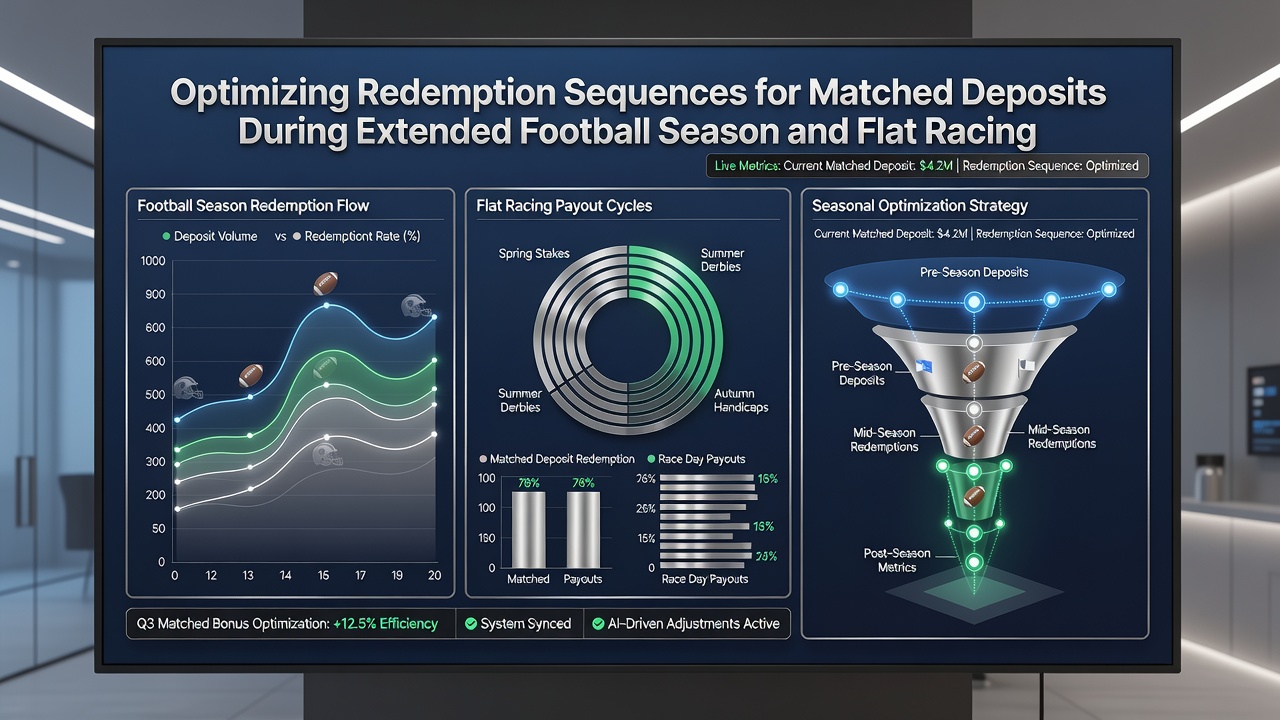
Calendar software used by analysts integrates fixture data from both sports to flag periods where consecutive racing days allow rapid cycling of smaller stakes, and football rest days provide breathing room for reviewing progress toward full redemption. Studies conducted by the University of Nevada Gaming Research Center demonstrate that sequences planned around known fixture density complete faster than ad-hoc placements, particularly when July overlaps increase daily betting opportunities.
Tracking Tools and Verification Steps
Operators supply transaction histories that list qualifying bets, and users cross-reference these against published calendars to confirm each leg meets both sport-specific and operator rules, while third-party tracking apps aggregate data from multiple accounts to prevent overlap violations. Verification steps include checking that each bet meets minimum stake and odds criteria before moving to the next phase of the sequence.
Those who maintain detailed logs report smoother transitions between football and racing legs because they identify gaps early and shift remaining playthrough to available fixtures, and this methodical approach aligns with observed patterns in regions where dual-code betting volumes have grown steadily since 2024.
Conclusion
Matched deposit redemptions during extended football seasons and flat racing calendars depend on structured sequencing that accounts for fixture density, operator rules, and transitional periods such as July 2026, and available data from multiple research bodies shows measurable differences in completion efficiency when sequences incorporate both sports rather than concentrating on one. Calendar awareness combined with incremental allocation continues to shape how these offers are managed across overlapping schedules.