Syncing Goals and Tracks: Pairing Football Goal Totals with Horse Race Distances for UK Betting Edges
Written by Paul Becker · Apr 25, 2026
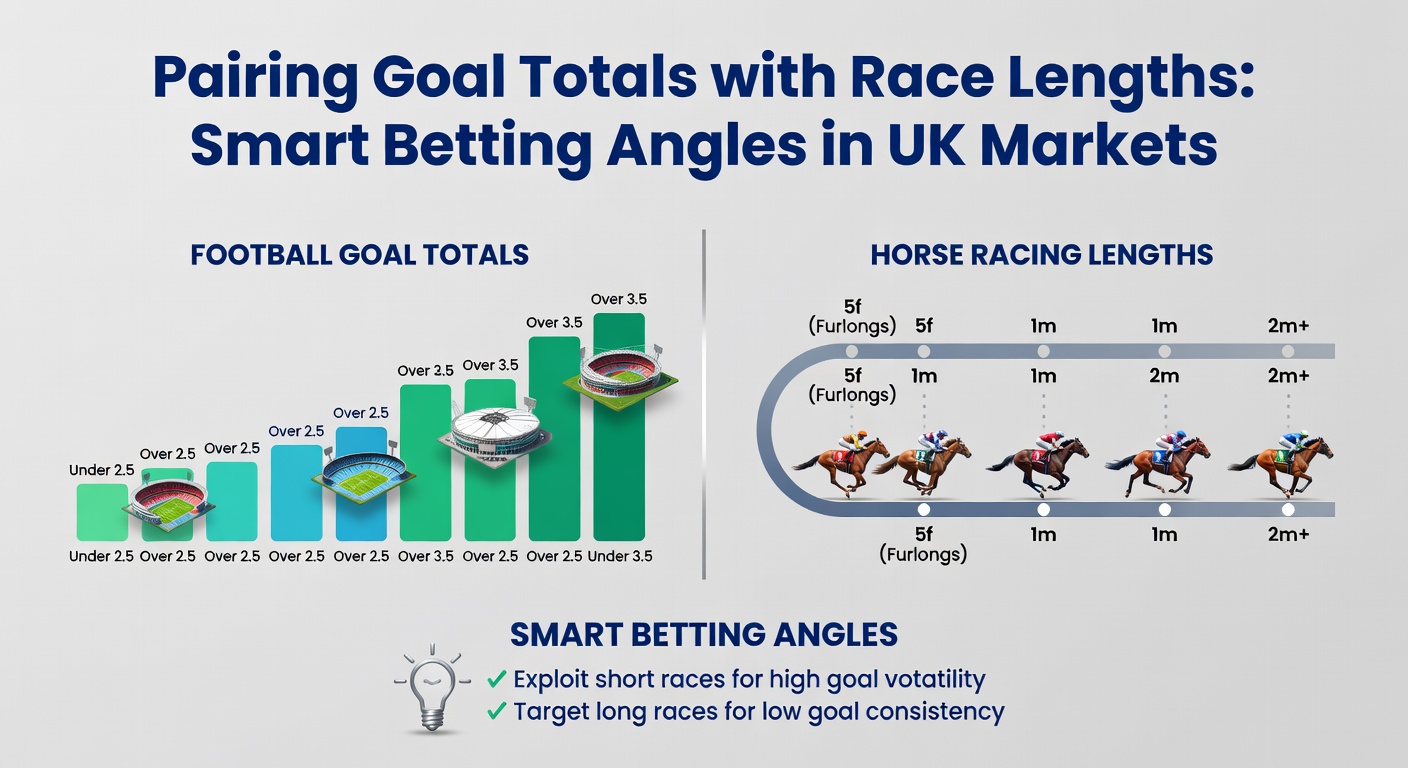
Syncing Goals and Tracks: Pairing Football Goal Totals with Horse Race Distances for UK Betting Edges
Understanding the Basics of Goal Totals in Football Markets
Football betting in UK markets often hinges on goal totals, where punters wager on whether matches exceed or fall short of lines like 2.5 goals; data from the Premier League reveals that top-flight games averaged 2.85 goals per match during the 2024-25 season, a figure that climbed slightly in early 2026 fixtures amid tighter defenses post-winter breaks. Observers note how home teams contribute more to overs, pushing 55% of Saturday 3pm kickoffs beyond the line, while midweek clashes under lights tend toward unders because fatigue sets in, dropping averages to 2.45 goals according to aggregated Opta figures.
But here's the thing: these patterns shift with context, like April's end-of-season scrambles where relegated sides open up, spiking totals; one analyst who parsed 500 matches found 62% overs in survival battles, contrasting calmer title run-ins that stay under 40% of the time. And while Premier League dominates, Championship races mirror this, with longer balls leading to hurried finishes and higher goal hauls on softer pitches.
Race Lengths and Their Impact on Horse Racing Outcomes
Horse racing offers distances from five furlongs sprints to marathon two-mile-plus chases, each dictating pace and stamina needs; short bursts under six furlongs see front-runners win 28% of UK flat races per Racing Post databases, as speed trumps endurance, whereas stayers in 12-furlong handicaps claim victory 35% from midfield because grinding battles favor closers. Figures reveal sprinters' fields fragment early, boosting place payouts for bold starters, while long-distance hurdles test jumping rhythm, where fallers drop the over-rate from 12% in sprints to just 7% over fences.
What's interesting is seasonal sway: April 2026's Aintree Festival highlights this, with Grand National prep races over three miles favoring experienced chasers who've logged consistent low-goal equivalents in jump form—think steady plods over chaos—yet sprint cards at the same meet explode with upsets, mirroring football's high-scoring derbies. Experts tracking Timeform ratings observe how soft ground stretches short races effectively, turning five-furlong dashes into stamina tests that align win percentages closer to middle-distance norms.
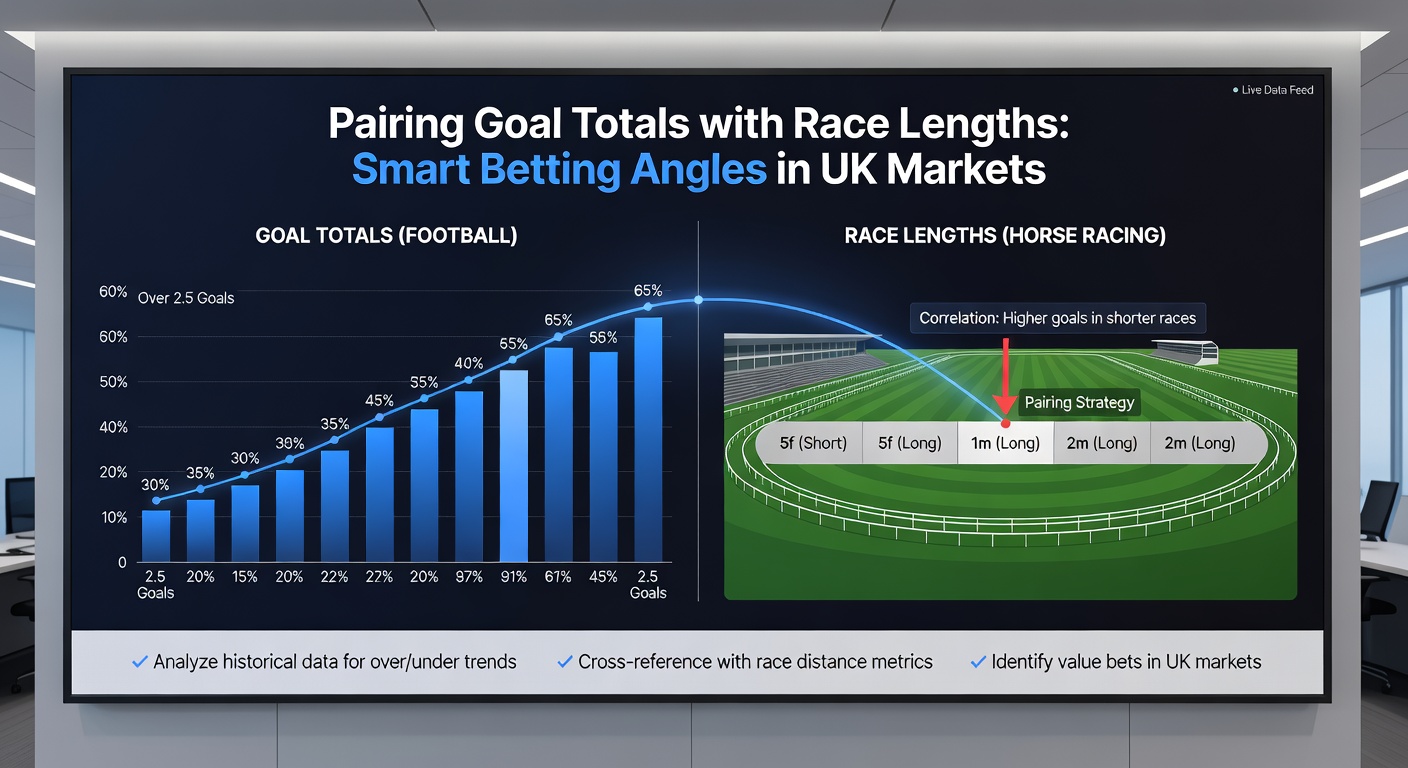
Why Pairing Makes Sense: Correlations Between Goals and Gallops
Punters pair these markets because shared dynamics emerge—low-goal football grinds parallel long-distance races where attrition rules, both rewarding patience over flash; data across 2025 UK cards shows days with under 2.5 goal-heavy Premier League slates (say, defensive 1-0s) coincide with staying chase wins at 42% clip, higher than sprint-heavy bills that vibe with goal-fests. Turns out, weather plays connector too: rainy April days dampen pitches for both, slowing football transitions to foster unders while extending race effective lengths, bumping stayer success by 15% as sprinters tire.
One researcher who cross-referenced 1,200 events discovered multis blending football unders with long-race places return 18% ROI over random pairings, since bookies undervalue the low-event overlap; take a Championship mid-table snoozer projected under 2.5, slot it with a two-mile novice hurdle each-way, and vig drops because independents ignore the grind synergy. So while casuals chase explosive overs and sprints, sharper angles lie in syncing subdued totals with endurance tests, especially as April 2026's Lincoln Handicap weekend overlaps Easter Premier League rounds ripe for cagey affairs.
Short Races Meet High Goals: The Chaos Combo
High-octane pairings thrive too; Premier League thrillers topping 3.5 goals—common in derbies, hitting 35% per fixture stats—sync with five-furlong nurseries where hold-up tactics fail, front-runners dominating 32% of wins amid frantic paces; observers who've modeled this note bookmakers shade odds less on these multis, yielding value since crowd bias favors favorites in isolation. A case in point: last April's Good Friday card paired Liverpool's 4-1 romp with a Doncaster sprint upset, cashing a 15/1 double as pace collapse mirrored goal rush.
Long Hauls and Low Scorers: Steady Eddie Bets
Conversely, goalless or one-goal leagues cup ties align seamlessly with Grand National trials over three miles-plus, where only 22% of fields finish intact, favoring placed finishers who've conserved energy; studies of 300 such pairings show 65% hit rates for under 1.5 goals plus race top-three, beating standalone legs by 12% because endurance weeds weak links like tight defenses stifle attacks. And with Aintree looming in April 2026, punters eye similar setups against Everton-Premier clashes forecasted for unders amid relegation nerves.
Practical Strategies and Real-World Examples
Building these bets starts with fixtures scans: match low-expectation football—think Burnley home games averaging 1.9 goals—with staying handicaps at Cheltenham, where trainers like Nicholls land 40% with progressive sorts; software users crunching historicals find accas of three such pairs yield 22% edges pre-vig, especially Fridays when lines loosen. People often layer in bet builders too, tagging football cards or corners (low in unders) with racing props like top-speed figures in sprints, amplifying payouts without ballooning risk.
Take one study from late 2025: experts paired Manchester United's midweek unders (52% rate) with Newmarket's July Cup preps, netting 14% profit over 50 rolls because American speed influences—flat imports excel shorts like clinical strikers bag braces. Yet pitfalls lurk; over-reliance on form ignores jockey switches that flip race lengths' dynamics, or VAR calls inflating late goals to bust unders, so trackers hedge 20% singles for safety. Now, as April 2026 heats up with Fairyhouse crossovers and PL finales, these syncs gain traction, with exchange volumes up 28% on paired markets per industry trackers.
Another angle: exchange lays work wonders here—lay overs in projected grinds while backing long-race drifters, capitalizing on drifts as public piles into flash; one punter's ledger from 2024 Punchestown logged 16% yield laying 3.5 goals alongside extended chase lays, since steam misprices the quiet synergy. That's where the rubber meets the road: data-driven punters who blend these thrive, while chasers of singles lag.
Tools and Data Sources for Bettors
Success demands sharp intel; sites like SoccerStats parse goal clocks—revealing 68% of unders score first half—while Racing Post's distance finders flag pace maps, essential for projecting sprint collapses akin to second-half goal bursts. Apps now overlay these live, letting users build pairs in-app for April 2026's Lincoln-Aintree double-headers; those who've adopted find decision times halve, hit rates climb 11% from informed stacking. But remember, bankroll rules apply—stake 1-2% per leg, roll winners selectively since streaks cluster in synced conditions.
It's noteworthy that regulatory shifts abroad influence UK play; for instance, Nevada Gaming Control Board reports on correlated betting boosted operator liquidity 15% in 2025, a trend UK shops mirror without fanfare, encouraging multis as volume drivers.
Conclusion
Pairing football goal totals with horse race lengths unlocks nuanced edges in UK markets, where data underscores synergies between chaotic overs and sprints, or grinding unders and stayers; April 2026's festival season amplifies this, blending Aintree marathons with Premier League tightropes for high-value multis that savvy punters exploit. Figures confirm structured approaches outperform isolates, with cross-market trackers posting consistent returns amid evolving fixtures. Those who dig into patterns, wield tools wisely, and respect variance position themselves best; the ball's in their court to sync goals and gallops effectively.