Rebate Mechanisms: Guiding Bettors Across Shifting Football and Racing Landscapes
Written by Paul Becker · Jun 13, 2026
Rebate Mechanisms: Guiding Bettors Across Shifting Football and Racing Landscapes
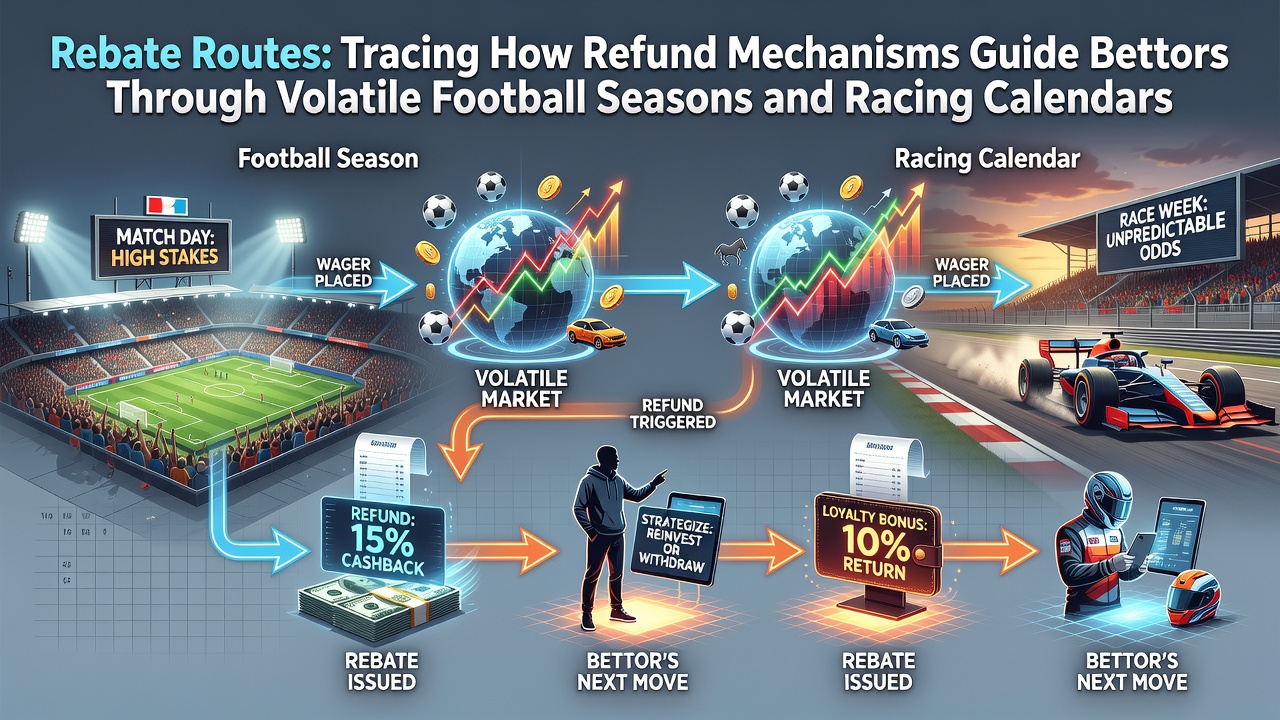
Rebate systems function as structured refund pathways that adjust to market swings in both football campaigns and horse racing fixtures where results often deviate from early forecasts. Operators calculate these returns based on accumulated stakes or net losses over defined periods so participants receive portions back when performance metrics fall below thresholds.
Core Components of Modern Rebate Frameworks
Rebate structures typically operate on tiered scales that reward volume while cushioning downturns and they integrate directly with account ledgers to process automatic credits after each qualifying cycle. Data from regulatory filings shows these mechanisms scale with individual activity levels rather than fixed percentages alone. In practice a bettor placing consistent wagers across multiple weeks qualifies for incremental returns that offset portions of earlier outlays without requiring separate claims.
Football seasons introduce extended volatility through fixture congestion and squad changes whereas racing calendars feature daily fluctuations tied to track conditions and entrant form. Rebate routes align with these patterns by resetting calculations at season or meet intervals which allows continuous guidance through stretches of inconsistent outcomes.
Application Across Football Seasons
During periods of high fixture density such as mid-season blocks in major European leagues rebate calculations often reference cumulative goal margins or points differentials to determine eligibility bands. One study released by the European Gaming and Betting Association highlighted how operators adjust rebate percentages quarterly to match league-specific data trends. Bettors who maintain steady participation across home and away markets receive proportional credits that help sustain engagement when early season predictions unravel.
June 2026 marks the close of several domestic campaigns and the start of pre-season friendlies where rebate windows reopen to cover transitional betting activity. These intervals create opportunities for recalibrated refunds that bridge gaps between concluded tables and upcoming friendlies or qualifiers.
Integration With Racing Calendars
Racing operators apply rebates across flat and jumps schedules by factoring in strike rates over monthly or festival periods rather than single events. When fields produce unexpected results due to weather shifts or pace scenarios the mechanisms distribute returns based on total turnover thresholds. Industry reports from the Australian Gambling Research Centre indicate that calendar-aligned rebates reduce abrupt drops in participation during extended losing sequences common in jump racing winters.
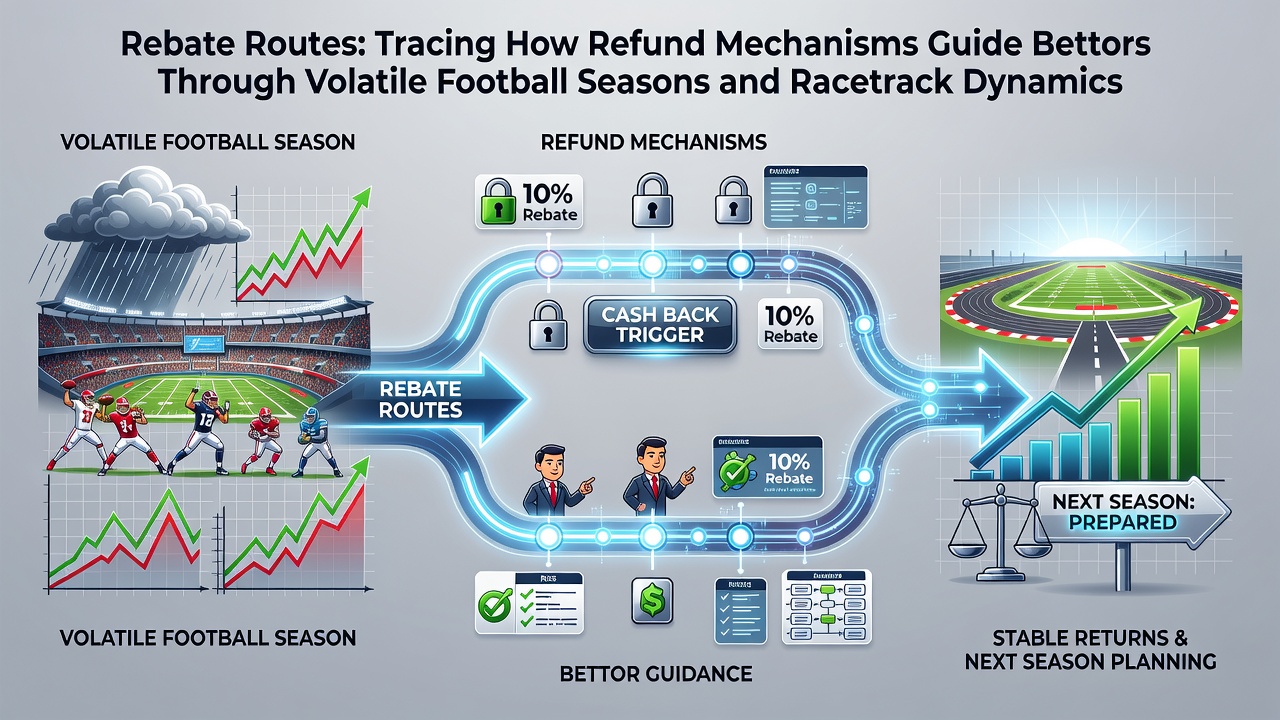
Participants often combine football accumulators with racing ante-post positions and the rebate systems treat these as unified activity streams for credit purposes. This unified tracking ensures that volatility in one sport does not isolate returns from the other.
Seasonal Adjustments and Data Patterns
Operators monitor aggregate statistics from governing bodies to fine-tune rebate bands before each major calendar shift. Figures released through state-level oversight in Nevada demonstrate consistent year-on-year growth in rebate uptake during volatile windows such as international breaks or major festival weeks. The adjustments prevent abrupt exits by maintaining proportional support tied directly to verified activity records.
Those who track their own stake histories alongside published league and race data frequently identify optimal entry points for maximising rebate eligibility. Cross-referencing performance metrics with operator terms reveals how refund pathways scale in response to sustained market swings rather than isolated results.
Conclusion
Rebate mechanisms continue to evolve alongside football and racing schedules by embedding refund logic into routine account processes. Observers note that these routes provide measurable continuity for participants navigating extended periods of outcome variability. As calendars progress into new phases the systems maintain alignment through periodic recalibrations grounded in verifiable turnover and result data.