Interface Synchronization Techniques for Accumulators Across Football and Horse Racing Mobile Applications
Written by Leon Schmid · May 30, 2026
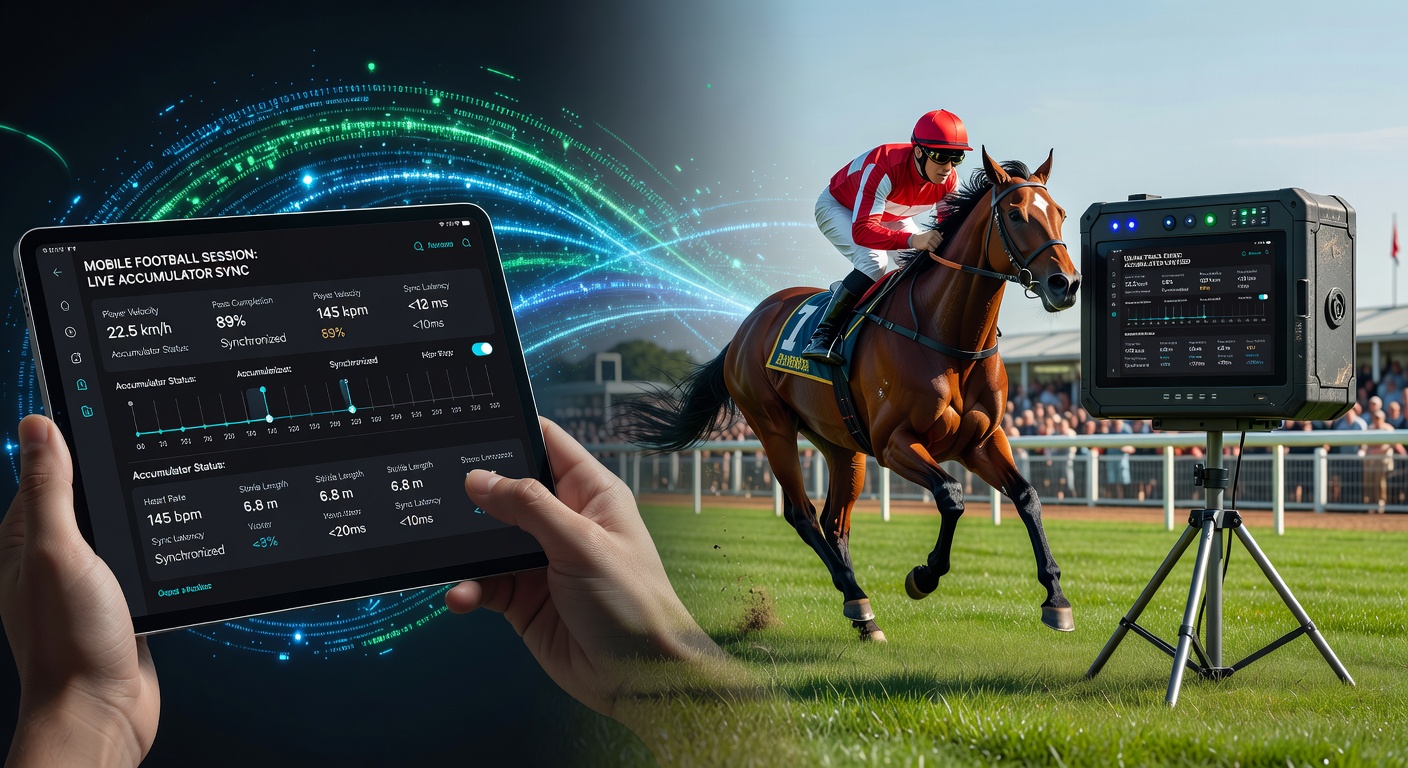
Interface Synchronization Techniques for Accumulators Across Football and Horse Racing Mobile Applications
Developers working on mobile platforms for sports wagering have focused attention on how accumulator structures integrate with interface layouts, particularly when users engage with football sessions and equine track events in the same application environment. These structures allow bettors to combine multiple selections into single wagers, and the layout must adjust dynamically as selections accumulate across different event types. Data from industry reports indicate that seamless coordination between these elements reduces user friction during live sessions, where football matches and horse races often overlap in timing.
Core Components of Accumulator Layout Design
Accumulator frameworks rely on modular display elements that expand or contract based on the number of legs added to a bet. In football applications, this involves real-time updates for match statistics, player availability, and goal timelines, while equine platforms require integration of form guides, track conditions, and jockey details. Observers note that when layouts synchronize properly, the transition between football and racing sections maintains consistent navigation patterns, allowing users to switch contexts without losing their current accumulator selections. Research indicates that applications employing unified grid systems for both sports achieve higher retention rates during peak event periods.
Technical Synchronization Methods
Backend systems handle accumulator logic through shared data models that feed into frontend components designed for mobile screens. When a user adds a football selection, the interface recalculates potential returns and displays them alongside any existing horse racing legs, using consistent typography and spacing rules. Engineers achieve this by implementing responsive design frameworks that scale elements proportionally, ensuring legibility whether the device operates in portrait or landscape orientation. Studies conducted by academic research groups have shown that such synchronization minimizes errors in bet placement, especially when events from both sports occur simultaneously.
Animation sequences play a supporting role in maintaining user awareness during updates. Subtle transitions highlight changes to accumulator totals without disrupting the overall screen flow. Those who have examined mobile betting data observe that platforms incorporating these techniques report fewer abandoned sessions compared to applications with disjointed layouts. External factors, including device performance variations across operating systems, influence how effectively these methods perform in practice.
Application in Football and Equine Contexts
Football sessions typically feature rapid data streams from multiple matches, requiring accumulator interfaces to accommodate quick additions from different leagues or competitions. Equine track events, by contrast, present structured racecards with fixed start times, allowing layouts to prioritize form analysis panels that feed directly into the same accumulator builder. When both event categories appear within one mobile session, synchronized designs ensure that selections from either sport populate a unified summary area. Figures from market analyses reveal that users frequently combine football and racing selections in single accumulators, making cross-context compatibility essential for platform functionality.

Regulatory developments scheduled around May 2026 have prompted some operators to review interface standards, particularly those governing how bonus funds interact with accumulator structures. Although specific requirements vary by jurisdiction, platforms have begun testing layout adjustments that clearly distinguish between standard stakes and promotional contributions. Data compiled by international gaming associations suggest that clear visual separation within synchronized interfaces supports compliance while preserving user experience across sports categories.
Performance Metrics and User Patterns
Analytics platforms track how accumulator synchronization affects session duration and bet completion rates. Patterns show increased engagement when football and equine sections share common design language, including color coding for odds movements and consistent placement of the accumulator panel. Researchers examining usage logs have identified that mobile users often initiate accumulators on one sport before incorporating selections from the other, necessitating fluid layout responses. Industry reports from organizations such as the American Gaming Association highlight that optimized interfaces correlate with measurable improvements in cross-sport wagering activity.
Another layer involves accessibility features that maintain synchronization integrity. Screen reader compatibility and adjustable text sizing must function uniformly whether users navigate football statistics or equine past performance data. Observers working with diverse user groups note that applications meeting these standards expand their reach without requiring separate layout branches for each sport.
Future Developments in Cross-Sport Integration
Emerging technologies, including adaptive algorithms that predict user preferences based on prior accumulator behavior, continue to shape interface evolution. These systems adjust displayed options for football or equine events dynamically, while preserving the structural integrity of the accumulator builder. Reports from research institutions such as those affiliated with the University of Sydney indicate ongoing exploration of machine learning applications that refine layout synchronization in real time. As mobile hardware capabilities advance, the potential for deeper integration between event data streams and bet structures grows accordingly.
Conclusion
Synchronization of interface layouts with accumulator structures supports effective mobile engagement across football sessions and equine track events. Technical methods, performance data, and regulatory considerations all contribute to how platforms implement these features. Continued observation of usage patterns adn technological progress will determine the direction of further refinements in this area.