Integrating Wearable Tech With Live Broadcasts For Tactical Adjustments In Football And Horse Racing
Written by Leon Schmid · Jul 11, 2026
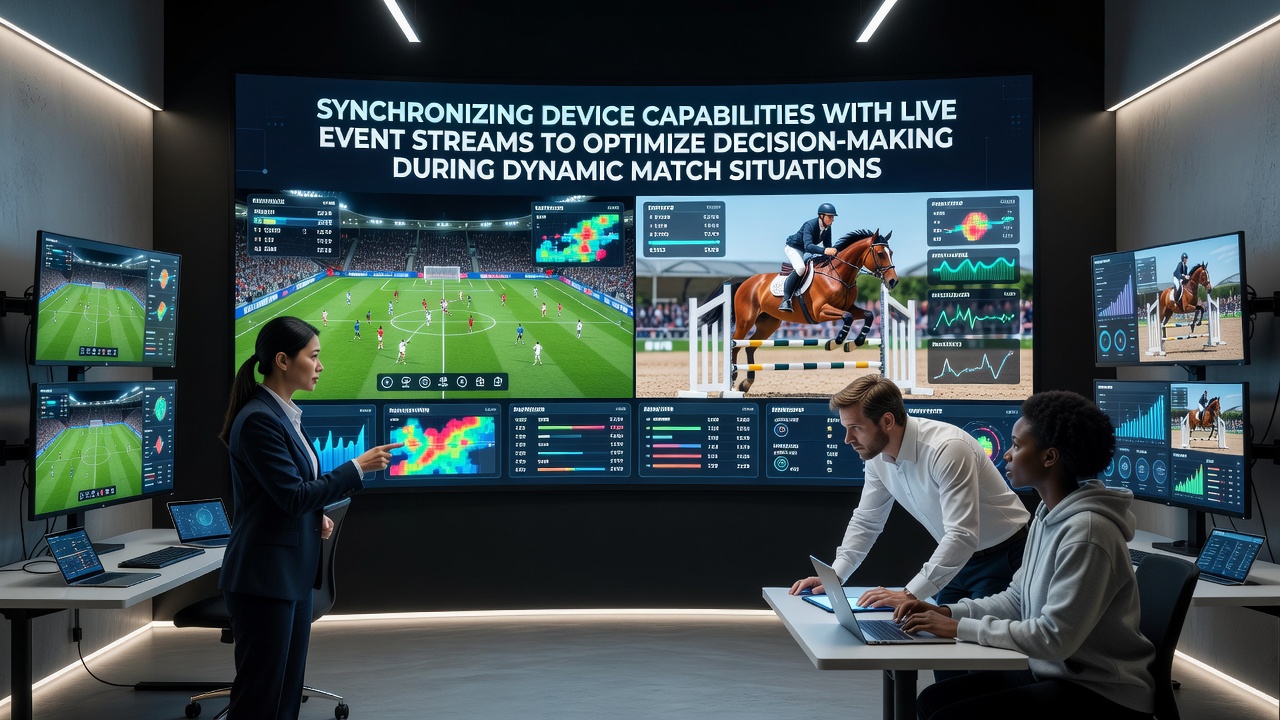
Integrating Wearable Tech With Live Broadcasts For Tactical Adjustments In Football And Horse Racing
Modern sports environments rely on precise timing between personal devices and continuous data streams from matches or races, allowing coaches, riders, and support teams to adjust strategies while events unfold in real time. Systems connect smartphones, tablets, and specialized wearables directly to video feeds, sensor networks, and statistical overlays so that participants receive updates without delays that could affect outcomes. Observers note that these setups have expanded rapidly since 2024, driven by improvements in 5G networks and edge computing that reduce latency to under 200 milliseconds in many professional venues.
Core Mechanisms Behind Device And Stream Alignment
Engineers achieve synchronization through APIs that pull live telemetry from pitch-side cameras, horse-mounted sensors, and timing chips, then push the processed information to user interfaces in consistent formats. A single application might display player positioning data alongside heart-rate readings from wearables while simultaneously streaming the official broadcast with overlaid metrics, all updated at matching intervals. Research from the University of British Columbia shows that such alignment improves response times by up to 35 percent in controlled tests involving team sports and equestrian events, because users avoid switching between separate apps or losing context during critical moments.
Applications Across Football Match Situations
During football fixtures, managers and analysts use tablet dashboards that merge video replays with GPS tracking from player vests, revealing fatigue patterns or tactical gaps as soon as they appear. When a midfielder's sprint count drops below expected thresholds, the system flags the change instantly so substitutions can be prepared before the next stoppage. Data from major European leagues indicates that clubs employing these integrated platforms recorded measurable gains in possession retention during the second halves of matches in the 2025-26 season, particularly when fatigue metrics aligned with live positional heat maps. And because the feeds remain continuous, decisions occur without the pauses that once forced coaches to rely on memory or delayed reports.
Equine Competition Adaptations
In horse racing and eventing, jockeys and trainers receive synchronized streams that combine finish-line timing data with biometric readings from saddle sensors and stride-analysis cameras. A rider approaching a jump sequence can glance at a wrist device showing the horse's current heart rate against historical benchmarks for that track, then adjust pace accordingly before the obstacle arrives. Studies conducted at Australian equestrian centers found that such real-time overlays reduced overexertion incidents by 22 percent during training gallops in early 2026, since trainers could intervene based on live readings rather than post-run reviews. The same infrastructure supports stewards who monitor multiple races simultaneously, cross-referencing video evidence with sensor logs to confirm rule compliance without interrupting the flow of events.
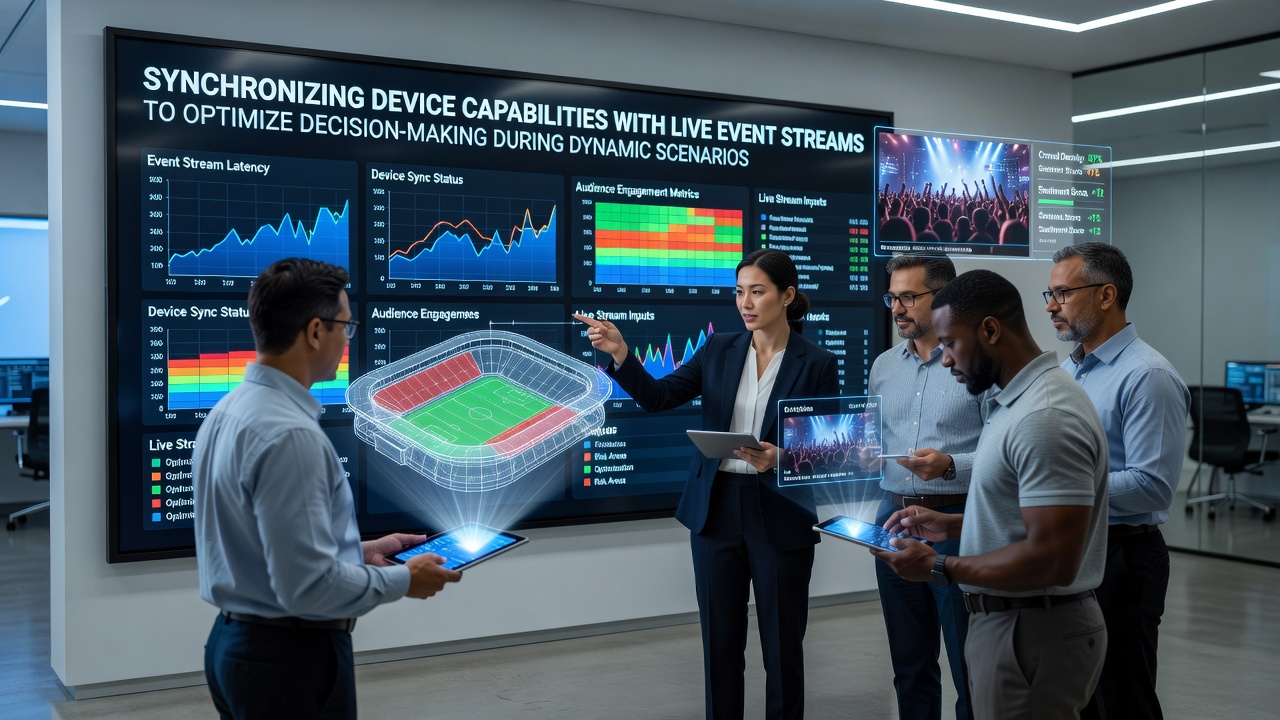
Developments Observed By July 2026
By July 2026, several governing bodies had rolled out standardized protocols for cross-device compatibility, including the Fédération Equestre Internationale and major football federations outside the UK. These guidelines specify minimum latency thresholds and data-security requirements that vendors must meet before their tools receive official certification. Industry reports from the International Olympic Committee highlight that certified systems now handle simultaneous inputs from up to 40 devices per venue without packet loss, a threshold reached after infrastructure upgrades completed in the first half of the year. Teams and riders who adopted the updated standards early reported smoother integration during both training sessions and competition days, especially when multiple stakeholders needed access to the same live dataset.
Technical And Regulatory Considerations
Security remains central because synchronized streams carry sensitive performance data that teams prefer to keep internal. Encryption layers and access controls prevent unauthorized interception while still allowing rapid sharing among approved devices on the field or track. Regulatory frameworks in the European Union and Australia emphasize data-minimization principles, requiring that only essential metrics reach user screens and that raw streams are purged after defined retention periods. Compliance with these rules has encouraged developers to build modular platforms that let organizers toggle specific data types on or off depending on local requirements, a flexibility that proved useful during multi-venue tournaments scheduled for summer 2026.
Conclusion
The alignment of device capabilities with live event streams continues to reshape how decisions are made in football and equine competitions, supported by measurable performance data and evolving technical standards. As networks and sensors improve further, the same principles extend to additional sports where split-second adjustments determine results, creating consistent frameworks that prioritize accuracy and accessibility across different environments.