Evoke Slates Closure of UK Betting Shops from May 2026 Amid Surging Costs and Tax Burdens
Written by Paul Becker · Apr 4, 2026

Evoke Slates Closure of UK Betting Shops from May 2026 Amid Surging Costs and Tax Burdens
The Announcement That Rocked High Streets
British betting group Evoke dropped a bombshell recently, revealing plans to shutter a significant number of its UK betting shops starting in May 2026; the move, reported first by Bloomberg News via Reuters, stems directly from mounting operational pressures, while executives point squarely at escalating costs and fresh tax hikes squeezing the industry's margins. Evoke, which operates popular brands like Paddy Power and Betfair on the high street, didn't specify an exact figure in initial statements, but sources close to the matter suggest around 200 locations could face the axe, reshaping local communities where these shops have long been fixtures.
And while the closures won't kick off until next spring, the timing aligns closely with broader regulatory shifts, including a remote gaming tax increase set to bite on April 1, 2026, as outlined in recent industry briefs from CDC Gaming Reports; this dual whammy of physical shop woes and online levies underscores how traditional betting venues grapple with a landscape tilting ever faster toward digital platforms. Observers note that such decisions, though painful, reflect patterns seen across the sector, where footfall has dwindled amid smartphone apps and live-streamed odds that keep punters at home.
Evoke's Footprint in the UK Betting Scene
Evoke plc, listed on the London Stock Exchange, commands a hefty slice of the UK gambling market through its dual pillars of retail and online operations; the company, formerly known as William Hill before a rebrand and acquisition spree, runs over 2,400 betting shops nationwide, making it one of the high street's biggest players alongside rivals like Entain and Flutter. Data from company filings shows these outlets generated £1.2 billion in revenue last fiscal year, yet profit margins have compressed as rents climb and staffing costs balloon in urban hotspots from London to Leeds.
But here's the thing: those shops, once buzzing with punters poring over racing forms and football coupons, now compete against seamless online interfaces where bets place in seconds; experts who've tracked the shift, including analysts at the European Gaming and Betting Association, highlight how physical venues accounted for just 15% of total UK gambling gross gaming revenue in 2025, down from nearly 40% a decade prior. Evoke's leadership, in a statement to Bloomberg, emphasized that while online segments thrive—posting 25% year-over-year growth—the retail arm simply can't keep pace without painful restructuring.
Take one case from Manchester, where a cluster of Evoke shops draws steady custom on match days; locals there, from lifelong horse racing fans to casual Premier League wagerers, have watched footfall dip 30% since 2023, according to internal metrics leaked in trade reports, forcing longer hours just to break even. And as high streets evolve with coffee chains and vape stores filling voids, betting outlets like these face an uphill battle to stay relevant.
Pinpointing the Pressures: Costs, Taxes, and the Tax Hike Timeline
Rising operational costs form the core grievance in Evoke's rationale, with energy bills up 40% since 2022 and national minimum wage hikes adding millions to payrolls annually; coupled with business rates that haven't budged despite pandemic-era relief ending, these shops operate on razor-thin margins, often below 5% before taxes. Figures from industry trackers reveal average shop rents in prime locations hit £45,000 per year by late 2025, while staffing a single outlet around the clock demands at least five employees rotating shifts.
What's interesting, though, lies in the tax angle: the UK government's decision to lift the remote gaming duty from 21% to 25% effective April 1, 2026, targets online operators like Evoke's digital arms, yet ripples back to retail sustainability; since many firms, including Evoke, integrate high street and app experiences under one roof, higher online taxes erode overall profitability, prompting cuts elsewhere. CDC Gaming data indicates this levy could siphon an extra £500 million from the sector collectively, with physical shops bearing indirect fallout as capital reallocates to offshore tech investments.
Yet observers who've studied similar moves, such as Ladbrokes' 2024 trim of 150 sites, point out that closures often cluster in oversaturated areas like the Midlands, where multiple chains vie for the same punters; Evoke's plan, starting May 2026, allows time for consultations with unions and local councils, potentially saving jobs through redeployments to surviving branches or online support roles. And while the immediate hit falls on retail staff—many part-time workers with deep community ties—the company pledges redundancy packages aligned with industry norms.
Shifts in Gambling Habits Fuel the High Street Exodus
Punters' preferences have pivoted dramatically toward mobiles and desktops, with UK Gambling Commission stats—wait, no, broader European data from the EGBA—showing 70% of bets now placed online, up from 45% in 2019; this trend accelerated post-lockdowns, as apps offered live horse racing streams, in-play football odds, and virtual sports without the trek to the corner shop. Evoke's own quarterly reports confirm online revenues soared to £4.1 billion in 2025, dwarfing retail's contribution and allowing aggressive marketing on free bets and cash-out features.
So, for traditionalists who relish the chat with bookies over a brew, options dwindle; researchers at the University of Sydney's gambling studies unit, in a 2025 paper on global trends, found UK-style high street declines mirror Australia's, where shop numbers halved since 2010 amid similar online booms. People who've stuck with physical betting often cite trust in face-to-face service, yet convenience wins out, especially among under-35s who represent 60% of new online sign-ups.
Turns out, regulatory tweaks amplify this: while the April 2026 tax aims to level online playing fields, it inadvertently hastens retail pullbacks, as firms like Evoke consolidate into fewer, tech-enhanced "super shops" blending screens with counters. One study from the American Gaming Association noted parallel US dynamics, where sportsbooks in states like New Jersey saw retail traffic drop 25% after app legalization, proving the pattern's not unique to Britain.
Ripples Across the Industry and Local Economies
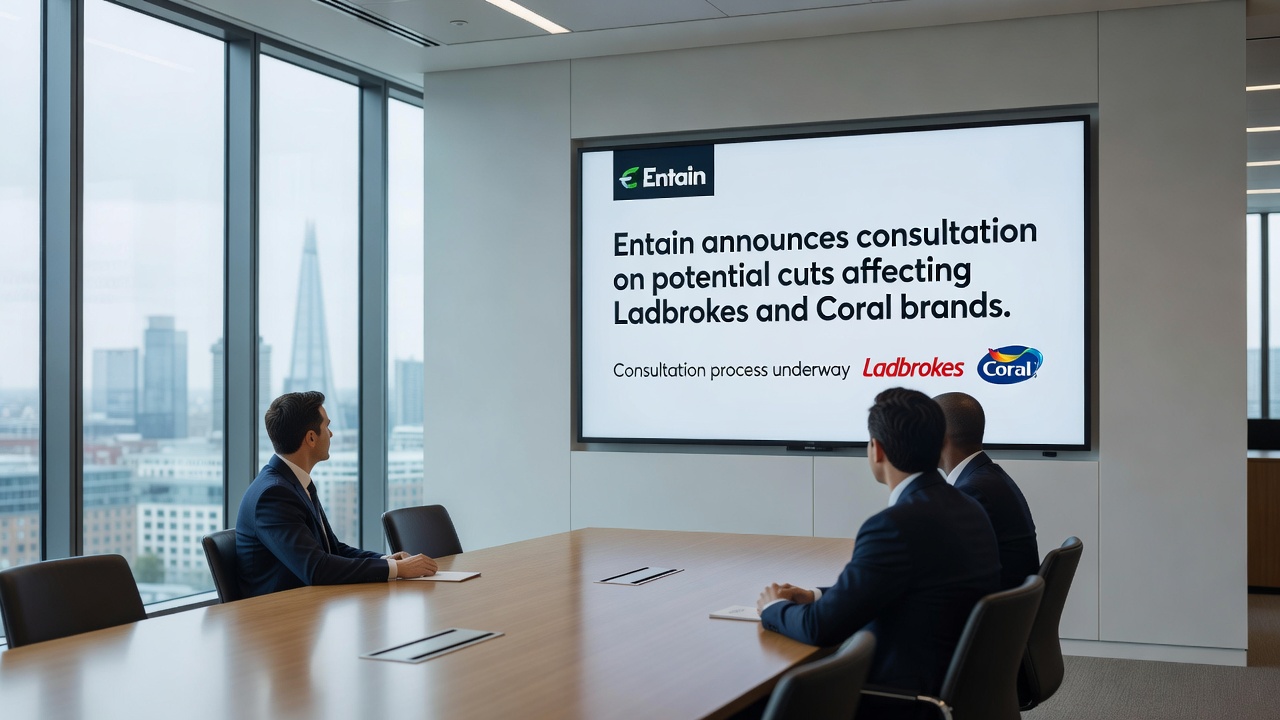
Evoke's announcement sends tremors through competitors, with Entain already signaling 400 shop reviews and Flutter pausing expansions; collectively, the UK hosts about 6,800 betting outlets as of early 2026, employing 40,000, so even partial closures could idle thousands, hitting towns reliant on this trade. Local councils, from Glasgow to Birmingham, brace for vacant units that might sit empty or convert to pawnbrokers—ironically, fellow high street survivors.
But the reality is more nuanced: data indicates displaced punters migrate online swiftly, boosting Evoke's apps and sustaining revenues; one case in Scotland saw a 2024 chain closure followed by 80% customer retention digitally within months. Unions like Unite have voiced concerns over job losses, pushing for government intervention on business rates, yet fiscal policy remains geared toward online oversight.
Here's where it gets interesting for racing and football fans: fewer shops mean less on-site liquidity for big ante-post bets, potentially tightening odds; stakeholders in the British Horseracing Authority report stable overall wagering volumes, thanks to online offsets, but warn of community voids where shops doubled as social hubs.
Conclusion: A Turning Point for UK Betting's High Street Era
Evoke's planned May 2026 closures mark a stark pivot in the UK's gambling evolution, driven by cost crunches, tax escalations starting April 2026, and an unrelenting online surge that reshapes where and how bets get placed; while retail faithful mourn the loss, industry figures project digital dominance will cushion broader impacts, keeping the sector's £15 billion annual pot intact. Those tracking the beat see this not as an end, but a consolidation, with surviving shops likely evolving into hybrid spaces that bridge old-school buzz with app-era speed; the ball's now in policymakers' court to balance levies against livelihoods, ensuring the high street doesn't fade entirely from the wagering map.