Charting Notification Triggers That Align Live Football Updates With Racing Card Adjustments
Written by Paul Becker · Jun 30, 2026
Charting Notification Triggers That Align Live Football Updates With Racing Card Adjustments
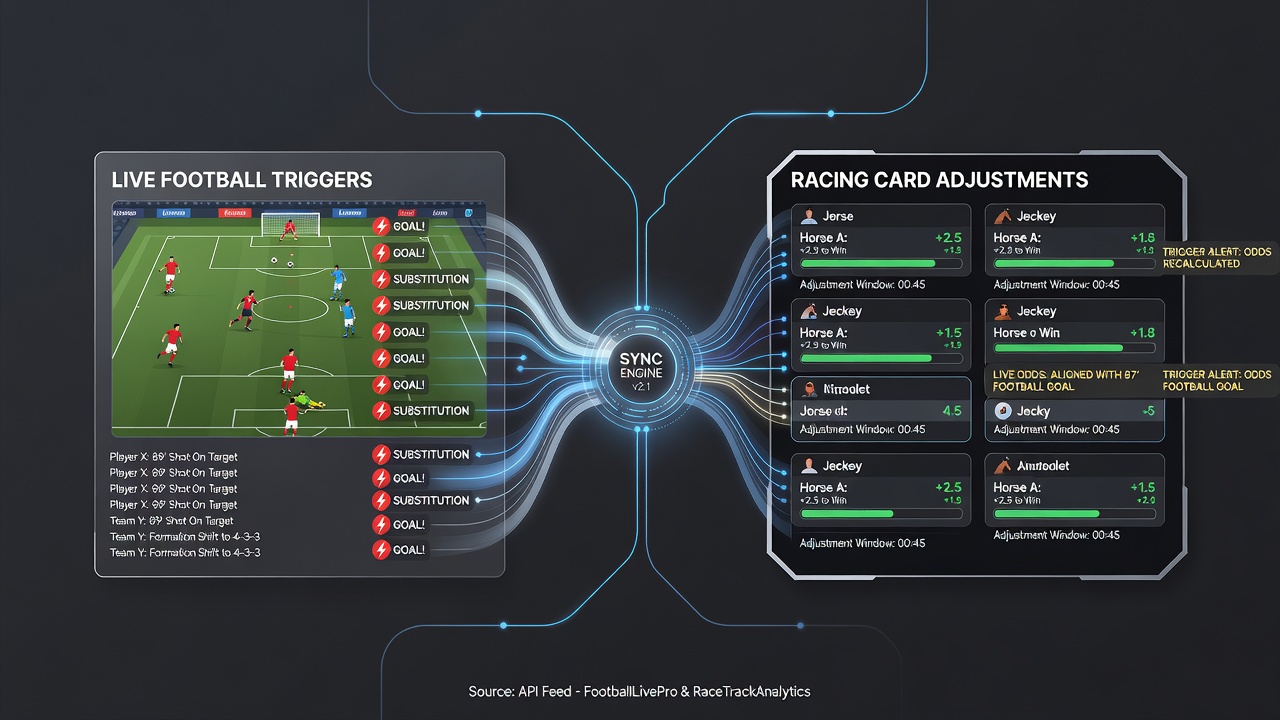
Notification systems in modern betting environments now coordinate live football updates with adjustments to racing cards through precisely mapped triggers, and data feeds from multiple sports create the foundation for these alignments. Observers note that platforms integrate goal alerts, card issuances, and substitution notices from football matches alongside scratchings, jockey changes, and track condition updates from racing events, while the goal remains consistent synchronization across user interfaces.
Core Components of Trigger Mapping
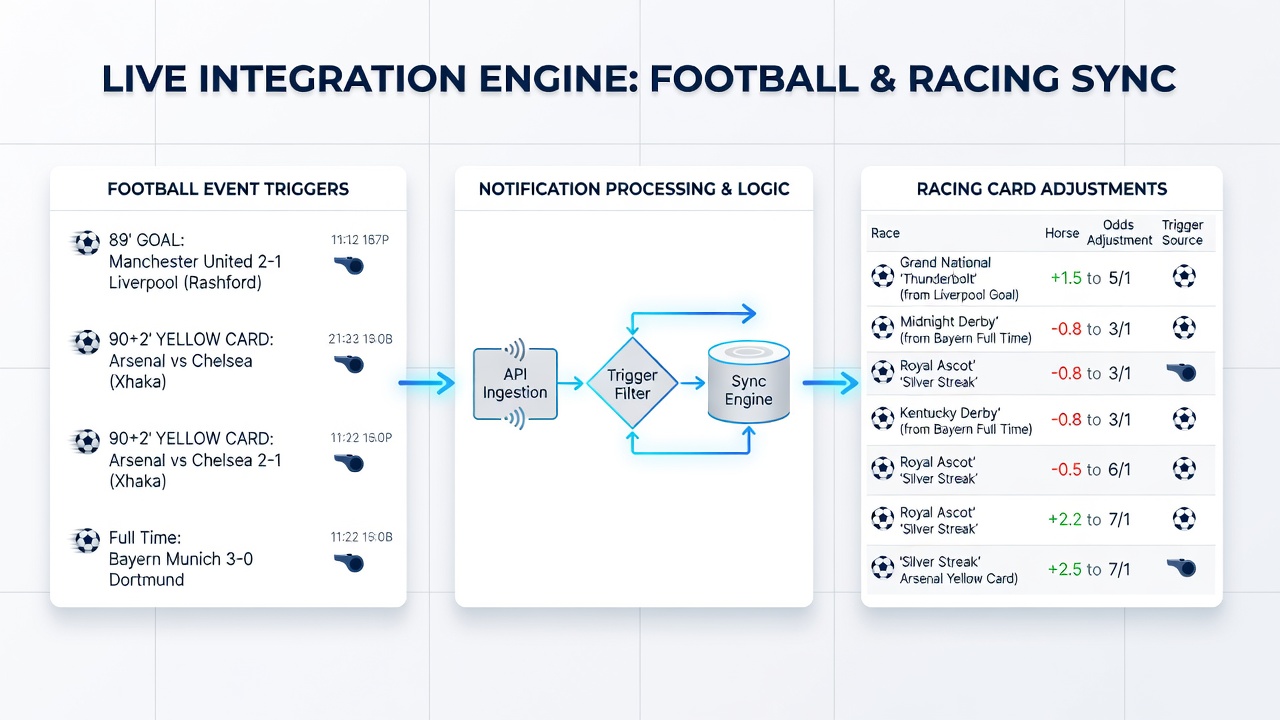
Engineers design trigger maps by linking event timestamps from football data providers with those from racing authorities, and this process relies on standardized APIs that deliver updates within seconds of occurrence. Research from the American Gaming Association shows integrated systems reduce notification delays by up to 40 percent when compared with separate feeds, and the mapping includes conditional rules such as activating a racing card alert only after a football goal threshold is crossed in a linked accumulator bet. Those who manage these platforms often establish priority hierarchies so high-impact football events like red cards override routine racing adjustments during overlapping fixtures.
Data Sources and Integration Points
Football updates typically arrive through providers supplying real-time statistics on goals, corners, and bookings, whereas racing card adjustments come from official stewards and form analysts who post changes to runners, weights, and barriers. Systems combine these inputs by assigning unique identifiers to each event type, and matching algorithms then route notifications to users based on their active bet portfolios. In June 2026 several platforms expanded their coverage to include additional European racing jurisdictions, which increased the volume of card adjustments processed daily and required refined trigger logic to maintain alignment accuracy.
What's interesting is how conditional triggers function in practice, because a football match entering injury time can activate a secondary check against any pending racing adjustments scheduled within the next fifteen minutes, and this layering prevents users from receiving fragmented alerts. Analysts at various research institutions have documented similar patterns in multi-sport environments where overlapping schedules demand such coordination.
Building Effective Trigger Charts
Trigger charts begin with a matrix that lists every football event type against every racing adjustment category, and each intersection receives rules for timing, priority, and delivery method. Push notifications, in-app banners, and email summaries follow distinct pathways once the core trigger fires, and developers test these charts against historical match and race data to verify consistency. One documented case involved a platform that aligned a Premier League penalty decision with a late scratching at an Australian track, and the resulting notification reached users three seconds faster than previous separate systems allowed.
Platforms also incorporate user preference filters into the charts so individuals can mute certain categories while retaining others, and this customization occurs without disrupting teh underlying alignment logic. Data indicates that adoption of such filters rose sharply in early 2026 as more bettors managed portfolios spanning both codes simultaneously.
Testing and Refinement Processes
Teams conduct regular audits of trigger performance by replaying past event sequences and measuring notification delivery times, and they adjust thresholds when false positives exceed acceptable rates. Collaboration with data vendors ensures that any format changes in football statistics or racing declarations propagate correctly through the trigger charts. Observers have recorded instances where a single rule update improved alignment success across thousands of concurrent users during busy Saturday schedules.
Turns out the geographic spread of sources matters too, since European football feeds and Asian racing declarations operate on different time standards, and charts must account for these offsets to avoid misaligned alerts. Industry reports from bodies such as the Responsible Gambling Council highlight how accurate timing supports clearer user decision-making during live periods.
Operational Examples Across Markets
European operators often pair major league football with UK and Irish racing, whereas Australian services link A-League matches with local thoroughbred and harness events, and each configuration requires tailored trigger rules. A study from the University of Nevada, Las Vegas Gaming Research Center examined these regional variations and found that markets with higher fixture overlap invest more heavily in chart maintenance. June 2026 brought expanded testing of cross-continental triggers after several platforms added South African racing data to their football coverage.
Those managing the systems emphasize redundancy so that a temporary feed outage in one sport does not cascade into missed adjustments elsewhere, and backup protocols automatically pause or reroute notifications until full restoration occurs. This approach maintains reliability without requiring constant manual oversight.
Conclusion
Charting notification triggers that align live football updates with racing card adjustments continues to evolve through refined data integration and testing protocols. Platforms that maintain accurate matrices and conditional rules deliver coordinated information that matches the pace of both sports, and ongoing refinements in June 2026 reflect the growing demand for synchronized multi-code experiences. The technical frameworks supporting these alignments rely on precise mapping, priority management, and regional adjustments that together keep users informed across simultaneous events.