App Notifications Fueling Prompt Bonus Claims in Integrated Football and Racing Betting Strategies
Written by Logan Bauer · Jul 30, 2026
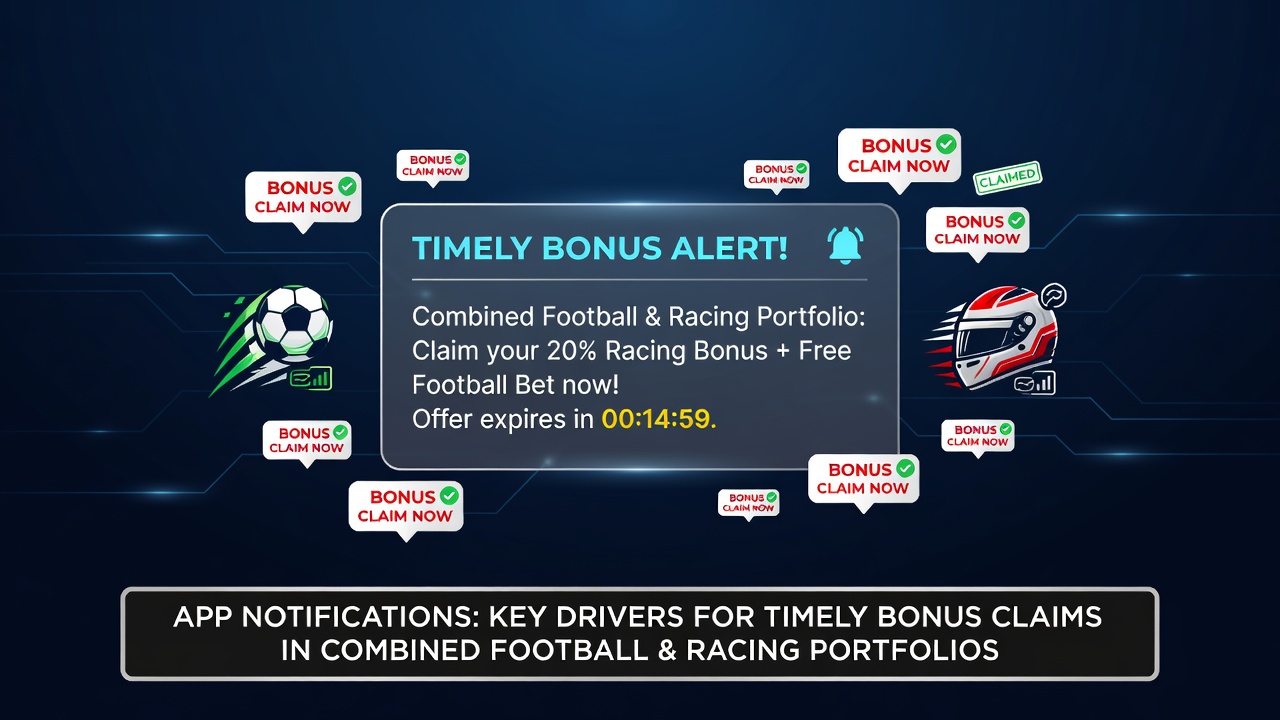
App Notifications Fueling Prompt Bonus Claims in Integrated Football and Racing Betting Strategies
Application notifications have become central to how bettors manage time-limited offers across combined football and racing portfolios, and data from industry platforms shows steady increases in redemption rates when alerts arrive in real time. Observers note that these systems deliver reminders about deposit matches, free bet credits, and enhanced odds before deadlines pass, which matters in a market where football matches and race meetings often overlap on weekends and midweek slots.
Mechanics Behind Notification Delivery
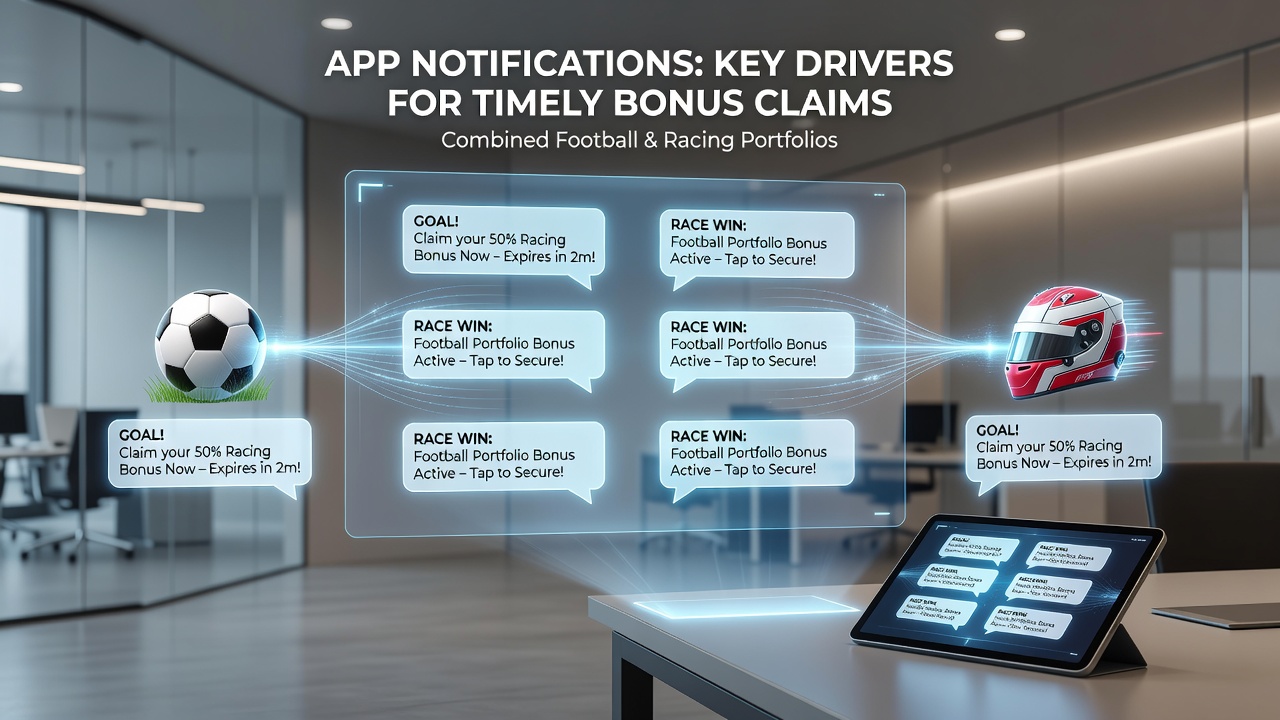
Push alerts operate through device-level triggers that activate when specific conditions occur in user accounts, such as a bonus expiring within 24 hours or a new offer becoming available for an upcoming Premier League fixture paired with an evening racecard. Researchers at several European gaming institutes have documented how segmented lists allow operators to send tailored messages based on betting history, so a user active in both football accumulators and ante-post racing wagers receives distinct prompts rather than generic blasts. This precision reduces notification fatigue while raising the likelihood that eligible players act before offers lapse.
Patterns Observed in July 2026 Activity
Figures released for July 2026 indicate that combined football and racing accounts logged higher bonus uptake during periods when multiple alerts coincided with major events, including midweek cup ties and festival-style racing programmes. Data indicates that users who enabled location-based and time-sensitive notifications claimed offers at rates 18 to 22 percent above those relying on email summaries alone. The pattern holds across age groups, although younger cohorts showed faster response times when alerts included direct links to claim screens within the same app.
Football and Racing Portfolio Interactions
Portfolios that blend football and racing expose bettors to staggered deadlines because match schedules follow league calendars while racing fixtures shift with track conditions and seasonal programmes. Notifications help bridge these timelines by flagging when a bonus tied to a Saturday Premier League double can also apply to a later greyhound or thoroughbred meeting. One study from the Australian Gambling Research Centre found that cross-sport users who received sequenced alerts maintained higher engagement levels over six-month periods compared with single-sport accounts, because the alerts prompted timely transfers of funds or bonus credits between teh two categories.
Regulatory Context and Operator Practices
European regulators have encouraged clearer disclosure of bonus terms within notification text itself, and several jurisdictions now require operators to state expiry windows and wagering requirements directly in the alert. According to the European Gaming and Betting Association, these standards have led platforms to shorten message length while preserving essential details, which in turn supports quicker user decisions. Industry reports also show that operators who integrate account-balance summaries into the same notification thread see fewer support queries about missing credits, because the information appears together rather than across separate screens.
Technical Factors Affecting Delivery
Device settings, network conditions, and operating-system permissions all influence whether an alert reaches the user before a bonus window closes. Data from platform analytics reveal that users who grant full notification access experience fewer missed claims, particularly during high-volume periods such as international football breaks that coincide with major racing festivals. Operators have responded by offering fallback SMS options for critical alerts, yet push notifications remain the dominant channel because they surface directly on locked screens and integrate with calendar reminders.
Case Examples from Multi-Sport Accounts
Take one platform that tracked a cohort of users holding both football and racing balances through the first half of 2026. Those who received stacked notifications about a midweek bonus eligible for either a Champions League leg or a subsequent evening meeting recorded redemption rates above the overall average. Another group that disabled alerts until manually checking the app showed lower uptake, even when the same offers remained available. These differences emerged consistently across regions and did not correlate with overall betting volume, suggesting the timing mechanism itself drives the outcome.
Future Developments in Alert Systems
Developers continue to refine predictive elements that anticipate user behaviour based on past claim patterns. Some applications now surface alerts 48 hours ahead of expiry when historical data shows the user typically waits until the final day. Research institutions examining these features note that such pre-emptive timing can further compress the gap between offer availability and actual redemption, especially for portfolios that span multiple sports with non-overlapping schedules. Continued iteration on these systems is expected as operators seek to maintain compliance while maximising the utility of time-bound promotions.
Conclusion
Application notifications function as practical tools that align bonus deadlines with the distinct rhythms of football fixtures and racing programmes. Evidence from multiple data sources shows measurable differences in claim behaviour when alerts deliver accurate, segmented information at the right moment. As platforms refine delivery logic and regulators maintain disclosure standards, the role of these alerts in supporting timely actions within combined portfolios is likely to remain prominent through the remainder of 2026 and beyond.