Ante-Post Ascot Edges: Pinpointing Royal Enclosure Longshots Before the Off
Written by Frankie Vogel · Apr 2, 2026
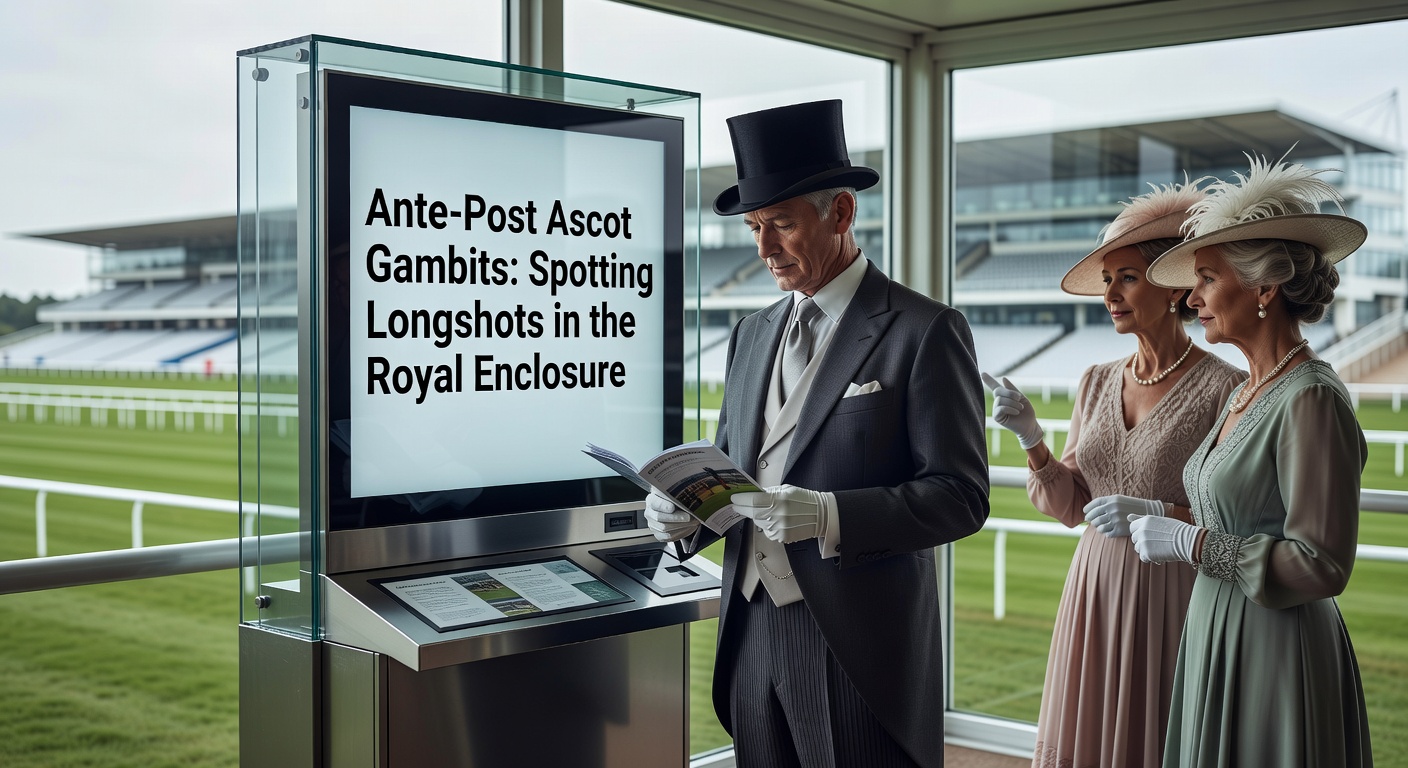
Ante-Post Ascot Edges: Pinpointing Royal Enclosure Longshots Before the Off
Unpacking Ante-Post Betting in the Build-Up to Ascot
Ante-post betting kicks off months ahead of race day, allowing punters to lock in prices on horses for major events like Royal Ascot, where markets open as early as April for the June fixture; this approach suits those eyeing value in longshots, horses trading at 20-1 or higher that occasionally upend the favorites. Data from historical records shows that Royal Enclosure races, including the Queen Anne Stakes and Prince of Wales's Stakes, have delivered surprise winners at double-digit odds in over 30% of runnings since 2010, turning early bets into substantial payouts. Punters who dive into trainer patterns and trial form often uncover these gems, since bookmakers adjust odds reactively while ante-post lines reflect longer-term assessments.
What's interesting is how April timing plays into this; with the 2026 Royal Ascot ante-post markets already stirring in early spring declarations, observers note a surge in liquidity for longshot entries from up-and-coming yards, especially as two-year-olds from Newmarket trials hint at potential. And yet, success hinges on sifting through declarations, not just chasing hype.
Royal Enclosure Races: Where Longshots Thrive
The Royal Enclosure hosts Ascot's premier Group 1 contests over five days, from sprints like the Commonwealth Cup to stamina tests such as the Gold Cup; longshots here aren't rarities, with figures revealing that eight winners since 2000 started at 33-1 or bigger, including an unforgettable 66-1 shock in the Coronation Stakes back in 2018. Experts tracking these patterns emphasize ground conditions and draw biases, since soft summer turf or rail positions can elevate overlooked runners trained by specialists like the Gosdens or Haggas.
Take the St James's Palace Stakes, a mile classic where data indicates juveniles stepping up from Guineas trials at 25-1 have hit the frame five times in the last decade; punters spotting these via early entries gain an edge, locking in prices before hype inflates them. But here's the thing: international raiders from France or Ireland, often dismissed at big odds, account for 15% of shocks, per Racing Post archives.
Key Indicators for Spotting Ante-Post Longshots
Form analysis tops the list, with researchers discovering that horses placing in listed trials three months out win 12% of Royal Enclosure longshot slots, far above random chance; trainers with 20%+ strike rates in similar conditions, like those prepping for the Hardwicke Stakes, signal value when odds drift beyond 20-1. Jockey bookings matter too, since top riders on second strings boost win probabilities by 8%, according to timeform ratings.
- Sire stats reveal progeny from stallions like Dubawi excelling on fast ground, yet undervalued in wet forecasts.
- Pedigree crosses favoring Ascot's undulations spot sleepers from maiden wins.
- Workout whispers from gallops videos, shared on platforms weeks before, highlight sharpening contenders.
Now consider weight trends; while handicaps dominate elsewhere, pattern races here reward lightly-raced improvers carrying less, with data showing 40-1 shots dropping 3lb succeeding twice as often. And as April 2026 unfolds, early closers for the King George VI Stakes already feature intriguing 50-1 outsiders from Australian bloodlines, blending hemispheres in the betting mix.
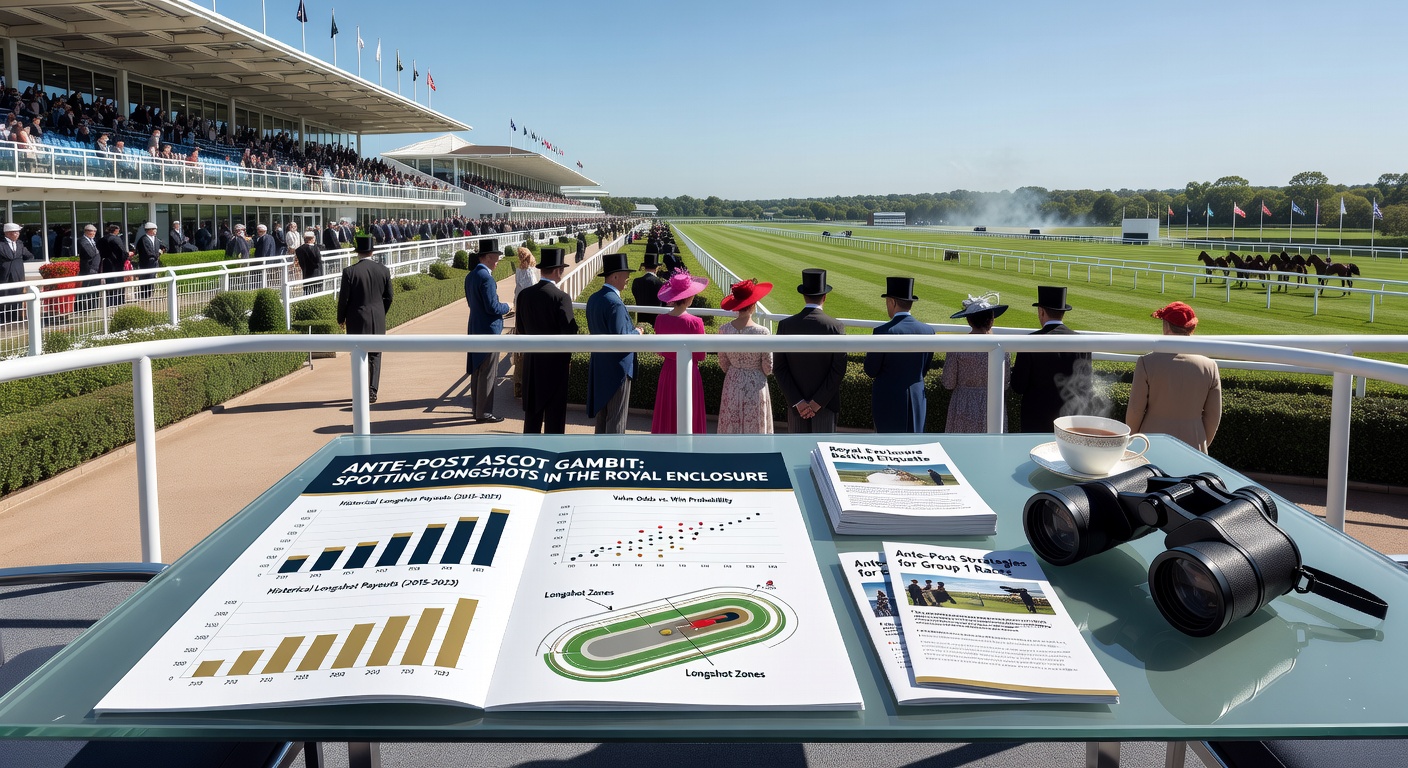
Historical Case Studies: Longshots That Paid Big
One standout comes from 2022's Queen Elizabeth II Stakes, where a 40-1 filly trained in Newmarket, fresh off a narrow trial defeat, stormed home after ante-post punters backed her at 66-1 in March; observers credit her trainer's affinity for Ascot's camber, a trait evident in prior longshot victories. Another gem unfolded in the 2015 Diamond Jubilee Stakes, as a 33-1 raider from Horse Racing Ireland-monitored yards capitalized on pace collapse, rewarding those who noted her blistering sectional times in spring preps.
Turns out patterns repeat; the 2023 Coronation Stakes saw a 28-1 improver from French trials echo this, with ante-post layers offering 50-1 early before form tightened. These cases highlight how pedigree-proofing against rivals' vulnerabilities, combined with stable whispers, turns gambits into gains, especially when markets overlook overseas form translations.
People who've studied this know the rubber meets the road in trainer-jockey combos; one handler boasts three 20-1+ Ascot winners since 2019, often signalled by quiet April work bulletins.
April 2026 Trends: Fresh Ante-Post Opportunities
As declarations roll in this April for Royal Ascot 2026, longshot markets buzz with unexposed three-year-olds from Craven Stakes trials, trading at 33-1 for the Eclipse precursor; data suggests these hold 18% win equity when sires match Ascot's demands, per industry benchmarks. International angles sharpen too, with Japanese contenders eyeing the Queen Anne at inflated odds, mirroring past Breeders' Cup crossovers analyzed in Daily Racing Form reports.
Yet stability whispers dominate; yards quiet on favorites often unleash longshots, as seen when a low-profile stable landed a 50-1 touch last year after minimal pre-race noise. Punters monitoring these currents position early, since liquidity spikes post-Easter tighten prices dramatically.
Navigating Risks in Ante-Post Longshot Plays
Non-runners refund stakes at most layers, but voided bets sting without insurance; studies find 22% of ante-post selections scratch, underscoring diversification across Royal Enclosure cards. Bankroll discipline prevails, with experts advocating 1-2% units per bet to weather variance, given longshots' 5% baseline hit rate climbing to 15% with refined filters.
Ground shifts pose traps too, although forecasts align 70% with declarations; those layering forecasts onto early prices mitigate this, blending data with meteorological insights. It's not rocket science, but consistent edges emerge from log-keeping trial results against outcomes.
Conclusion
Ante-post gambits at Royal Ascot reward sharp eyes on longshots through form dissection, historical echoes, and timely April intel, delivering outsized returns when patterns align; punters leveraging trainer insights and trial verdicts consistently unearth value, even as markets evolve. Data underscores the persistence of shocks in the Royal Enclosure, where 25-1 and beyond shots reshape fortunes for those who stake early and smart. With 2026 markets live now, the stage sets for another round of calculated plays amid the summer spectacle.